Find out how to build a maintenance ticketing system that improves efficiency. Learn the key steps in choosing and implementing maintenance ticket software.
Creating and executing work orders efficiently is essential to daily operations in any industry. Unfortunately, challenges often arise when organizations must track service requests across multiple locations, especially when each one has its own ticketing system.
Decentralized ticket management complicates asset management. Inconsistencies and inefficiencies in maintenance operations may go unnoticed. Information silos reduce the possibility of big-picture, data-driven insights. Even major safety and compliance issues may elude detection due to the lack of transparency.
The good news is that shifting from a fragmented maintenance ticketing system to a centralized one is possible. In fact, building a facilities management ticketing system involves only a few key steps. Discover how to modernize your help desk and maximize your return on investment (ROI) in the process.
Key Takeaways:
Before you begin to compare maintenance ticketing system options, take a step back and consider your organization. Defining your goals and the scope of your new system early allows you to evaluate systems better. Some things to establish during this phase include the following:
Specific Goals
Determine what problems you hope to solve with your new maintenance ticketing system. Goals may reflect facility managers’ challenges "as well as larger organizational initiatives and priorities. Some issues a maintenance ticketing system may help you address include:"
- A maintenance ticketing system provides opportunities for automation. It can eliminate certain steps and expedite others.
- A centralized system allows users to check the status of a work order in seconds. Requesters and managers can monitor progress without having to interrupt maintenance teams for updates.
- A ticketing system assigns service requests to maintenance team members based on availability, knowledge, experience, and skill set. Everyone can clearly see whichmaintenance technicianis responsible for each work order.
- A modern system closely tracks labor, time, and materials for all maintenance tasks. You can use its reports to prepare more accuratemaintenance operations budgets.
- Preventive vs. Reactive MaintenanceIf your maintenance team is always occupied with emergency repairs, a ticketing system can help. It can develop a data-driven preventive maintenance schedule to ensure that service occurs at the right time.
Users
Compile a list of who will use your new maintenance ticketing system. Users may include:
- Facility managers andmaintenance supervisors
After identifying the roles that will need access, estimate the number of users in each role.
Stakeholders
Who the main decision-makers are is another piece of relevant information to define. After all, you’ll need to secure and retain their buy-in.
As you identify each key stakeholder, consider their focus within your organization. What data is most relevant to them? What will best demonstrate value from their perspective? Use the answers to these questions to determine what financial reports and cost-savings dashboards you’ll need to prepare for them.
For example, the CFO may be most concerned with compliance risks ", total costs, and downtime impact. For them, you might prepare reports that reflect the reduced costs and downtime associated with preventive maintenance. In addition, you can emphasize trust signals like third-party audit endorsements, compliance with major accounting standards, and integration with leading financial software."
Supported Assets and Locations
Generate a complete list of the assets you’ll track with your new maintenance ticketing system. Knowing the type of assets and their locations allows you to plan deployment. The asset discovery process can also help you select a pilot area for a free trial or customized software demo.
Constraints
Finally, produce a list of constraints to keep in mind as you build your ticketing system. These will include:
- How much can you spend on licensing and initial setup fees? How much do you currently spend on managing maintenance requests?
- Does the maintenance ticketing system need to be in place by a specific time? For example, do you want to have it fully deployed during the current fiscal year or the start of a busy season?
- Note your network and hardware specifications. Also, consider how much bandwidth your IT team has to support a new software program.
- What are your audit trail and data retention requirements? Do you have industry-specific documentation requirements to comply with?
Smart maintenance ticketing systems offer a wide range of features. As you compare software, consider which features align with your goals and the scope that you defined in the previous step. The following are some common features you’re likely to encounter.
Automated Request Capture
Some maintenance ticket software generates maintenance requests automatically, shortening response times. By monitoring sensor data, the system can create requests for emergency repairs at the first sign of failure. It can also track key metrics and add preventive maintenance tickets at the correct time.
Asset Tracking
A facilities management ticketing system can strengthen asset management. Its tracking capabilities support increased asset utilization and visibility. In addition, tracking functionality allows users to closely monitor asset lifecycles. The data a maintenance ticketing system provides can inform future capital planning decisions as well.
Vendor Management
Some maintenance ticketing system platforms manage vendor data, such as contracts and contact information. When a work order requires assistance from a vendor ", the system assigns tickets accordingly. You can then use the system to track external maintenance requests for added convenience."
Ticket Categorization and Prioritization
With the right maintenance management ticketing system, you can create custom categories for requests. Platforms also allow you to designate priority levels, such as low, medium, and critical. Once in place, the ticketing system generates and routes maintenance requests based on your parameters.
Mobile Access
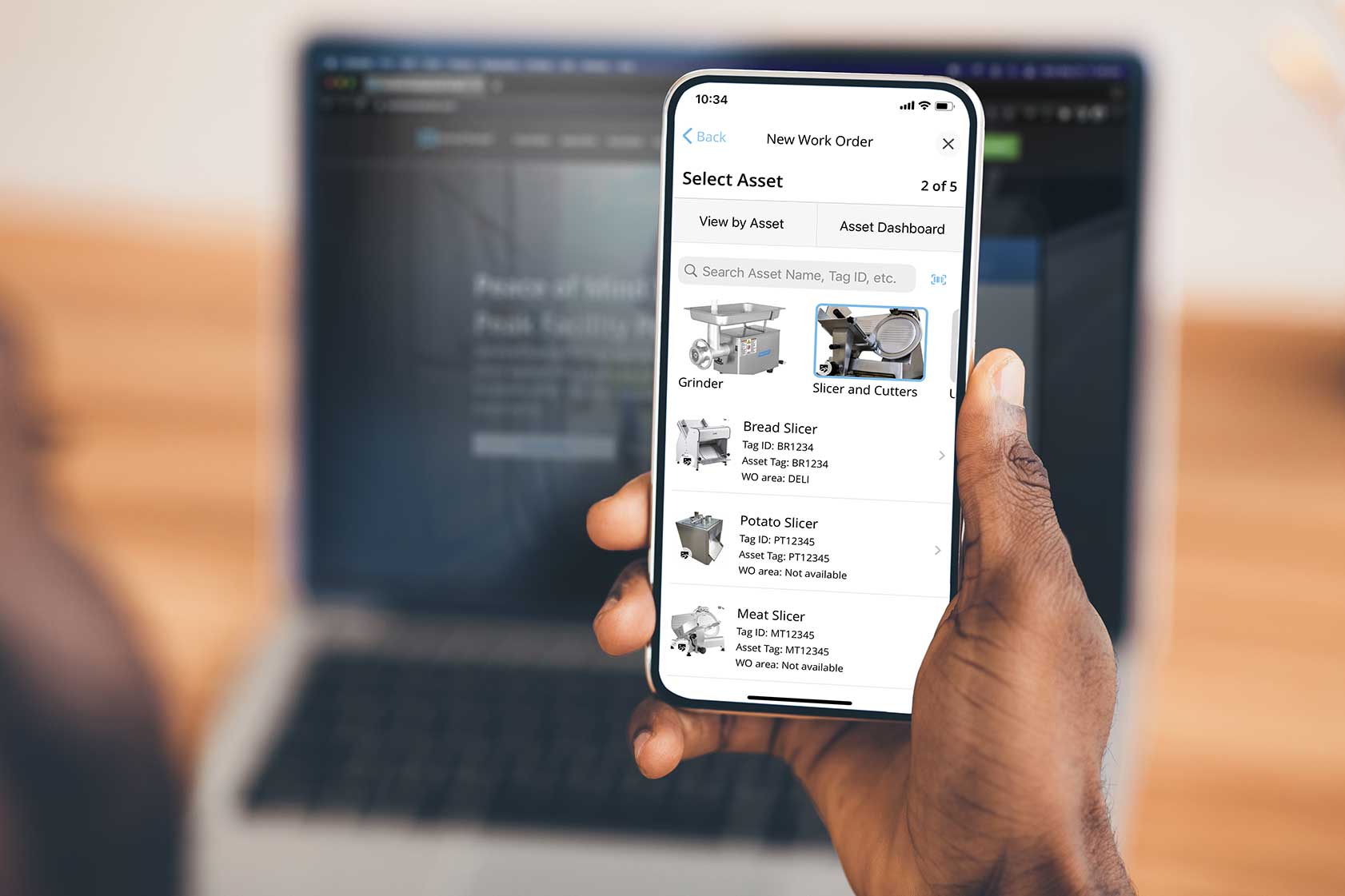
Some ticket systems allow users to access work order information on mobile devices. The mobile functionality ensures that maintenance technicians can update ticket status at the job site. They can also receive dispatches on the go to save time.
Service Level Agreements
A maintenance ticketing system can store relevant information from service-level agreements (SLAs). Then, it can use this data to generate, route, and track maintenance requests appropriately. For example, the system may automatically escalate a request once the promised response time elapses.
Integrations
Integrating your maintenance ticketing system with other software breaks down information silos. It also reduces the risk of errors by requiring users to enter data once. Some systems you might integrate with a ticketing system include:
- Inventory management software
- Computerized Maintenance Management System(CMMS) software
Built-In Compliance Checks
A maintenance ticketing system can provide tools to help you manage regulatory compliance. You can build compliance checks, such as checklists and documentation upload requirements, into workflows. These customized tools help to ensure that maintenance technicians take all necessary steps to comply with industry regulations and requirements.
Reporting and Analytics Dashboards
A centralized maintenance ticketing system allows you to produce a wide variety of reports. Its advanced analytical tools enable you to identify trends to support informed decision-making.
Once you have an idea of what work order management software features will allow you to achieve your goals, start exploring systems. To do so, complete these steps.
Select Your Maintenance Ticketing System Type
"There are two main deployment options for a maintenance ticketing system: local and cloud-based." Cloud-based systems allow for automatic updates. They also generally cost less and are quicker to deploy.
A local work order management system keeps all information on your network. It is a good option if you need to ensure compliance with regulations or policies that mandate local storage.
Compile a Vendor Shortlist
Next, research available maintenance ticketing system options. Look at lists of features. Read customer reviews and search for news reports about vendors. Use this information to compile a shortlist of work order management system providers to consider.
Request Demos
Contact the vendors and schedule times to meet. Ask about a free demo, which will allow you to see each facility maintenance ticketing system in action.
During the demonstration, ask to see the process for tracking one or two maintenance tasks. In some cases, a vendor may even be willing to provide a free trial for a limited number of users.
Score Your Options
To ensure fairness and transparency, develop a scoring system for vendors. Rate the work order management ticketing systems from one to 10 on points like:
Assign scores to each vendor, and use this information to help you select your new system for tracking maintenance requests.
After choosing your facilities management helpdesk software, get your team ready for the transition to the new system. Following these training tips will help ensure the maintenance department and other users can operate the software.
For the Maintenance Technician Team
For the Facility Management Team
For the Finance Team


- Explain processes for interpreting reports forasset management", labor tracking, inventory control, capital planning, and more."
Once in place, your facility maintenance ticketing system can do more than help you better manage maintenance tasks. Analyzing the system’s real-time data reports allows users to conduct in-depth cost-benefit analyses ". Examples of useful metrics to track include:"
- Identify high-energy-use equipment to reduce consumption and reachsustainability goals.
- A growing number of preventive versus reactive maintenance tasks suggests yourpreventive maintenance scheduleis working and helping you manage costs.
- ": Monitor how your new facility maintenance ticketing system reduces costs of rush parts orders and excess stock."
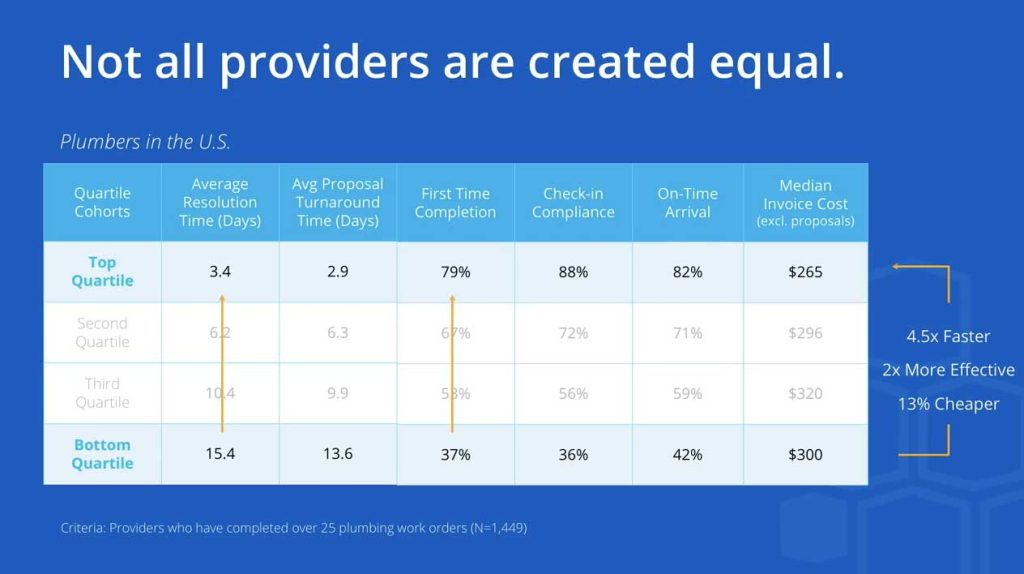
- Look for faster resolution of issues, which minimizes labor costs and reduces operational efficiency caused by outages.
Drive Savings With a Modern Maintenance Ticketing System
A modern maintenance ticketing system supports preventive maintenance strategies and reduces unplanned downtime for multi-location organizations. It also provides insights into how you’re managing maintenance activities so that you can identify areas of improvement. Consequently, the right maintenance ticketing system can boost operational efficiency while lowering maintenance costs.
If you’re ready to reap the benefits of a user-friendly platform for managing maintenance tasks, ServiceChannel is here to help. Bring us the scope and goals for your new ticketing system, and we’ll recommend solutions that align with your needs.
Explore ServiceChannel’s platform to see how an asset management ticketing system improves ROI and operational clarity.