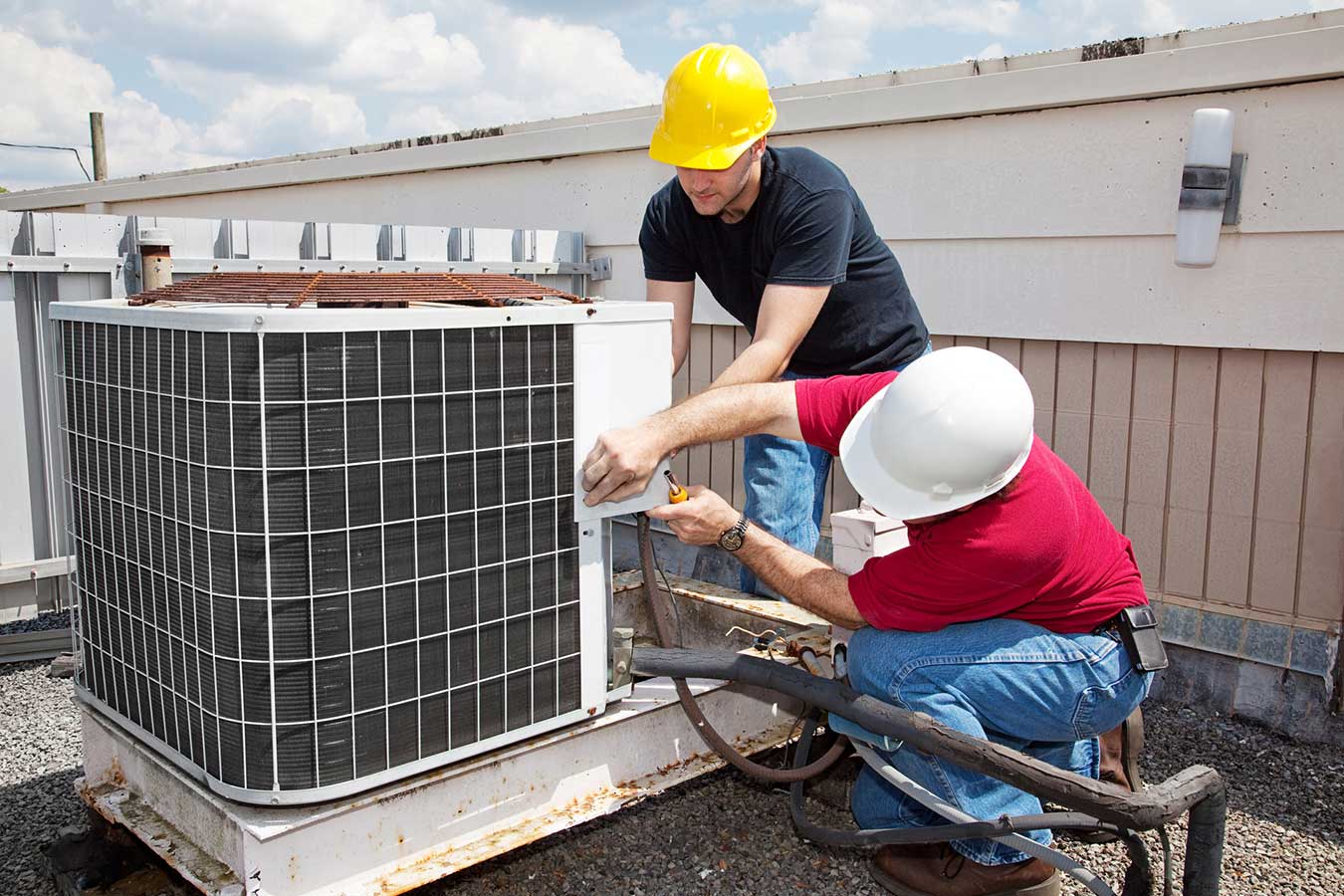
What are HVAC Systems?
HVAC stands for “heating, ventilation, and air conditioning.” An HVAC system heats or cools the air and moves it through a facility to keep the building at a comfortable working temperature. Additionally, filters in an HVAC system help to keep the air clean. HVAC optimization ensures that personnel can do their work in a safe and comfortable environment. It also minimizes energy consumption and reduces energy waste.
Types of HVAC Systems
The term “HVAC system” can refer to systems that heat, cool the air, or do both. These are some of the more popular HVAC systems you might encounter.
- Central air conditioners
- Furnaces
- Heat pumps
- PTAC
- Mini-split systems
- Geothermal systems
- VRF/VRV
Components of HVAC Systems
A heating system and a cooling system will share several of the same components but also incorporate parts specific to their purpose.
- Thermostat — Monitors and regulates the temperature for heating and AC units.
- Vents — AC and heating units rely on these grated openings to send heated or cooled air into the building.
- Ductwork — This is a tube system that directs the heated or cooled air to the vents.
- Condensing unit — A condenser removes heat from indoor air to cool the environment and brings warmth from outdoor air indoors.
- Evaporator coil — In AC units, this copper tubing uses a refrigerant to remove heat from the air.
- Furnace — In a heating unit, the furnace produces heat that moves through the ductwork to the vents.
- Blower motor — This electric motor turns a fan that forces hot or cold air through ductwork and out of the vents.
Signs of HVAC Inefficiency
Recognizing signs of HVAC inefficiency is crucial for maintaining a comfortable environment and minimizing energy waste. HVAC system optimization can solve many air conditioning challenges and heating issues, increasing energy savings and improving HVAC system performance. Here are some signs that a heating or AC system needs HVAC optimization.
Increased Electric Bills
Substandard HVAC operation will lead to greater energy consumption and decreased energy efficiency, revealing the issues in larger energy bills.
Inaccurate Thermostat
Outdated thermostats, sensor problems, or faulty wiring in or around the thermostat can cause malfunctions, leading to increased energy use and inconsistent or unseasonable indoor temperatures.
Clogged Air Filters
Dust from the vents may indicate oversaturation of conditioned air or a tear in an air filter, increasing wear on the system and reducing energy efficiency.
Short Cycling
An HVAC unit frequently turning on and off in short bursts strongly indicates that HVAC equipment needs maintenance and optimization.
Unusual Sounds or Odors
Strange rattling, banging, or squealing sounds may indicate mechanical issues within HVAC units. Unusual odors, such as a burning smell, could signify electrical issues or overheating.
Implementing HVAC Optimization
A program for optimizing HVAC systems helps maintain system reliability, optimum energy, reduce energy consumption, and lower energy bills. These steps will guide you toward implementing a successful HVAC optimization project.
1. Assess Current HVAC System
Inspect and test your various HVAC systems to determine their current state.
2. Schedule HVAC Maintenance
Identify potential areas for improvement and grab your HVAC maintenance checklist for facilities managers or schedule the maintenance team to buy in and perform HVAC upkeep.
3. Upgrade to SEER Equipment
Replace older HVAC components with updated, energy-efficient parts and see energy costs reduce significantly.
4. Implement Smart Devices
Programmable and smart thermostats enable you to save energy by regulating temperatures based on occupancy and energy usage patterns.
5. Address Ductwork Issues
Inspect ducts for leaks. Seal and insulate to prevent heat loss.
6. Utilize ERV and VRF Systems
Energy recovery ventilation (ERV) recovers heat or coolness from exhaust air and recirculates it, requiring less energy. Variable refrigerant flow (VRF) systems regulate zones as needed rather than using 100% of their capacity to regulate the temperature of an entire building.
7. Implement Predictive Maintenance
Internet of Things (IoT) devices and sensors track HVAC system performance and accurately measure energy use in real-time. Such tracking and accurate measure allows you to predict maintenance needs and reduce costs for upkeep and repair.
HVAC Optimization Strategies
Preventive maintenance and energy use planning are vital to running an optimization system. These key strategies will help keep and optimize your entire system running at peak performance and lead to significant energy cost savings.
Schedule Routine Inspections
Regular maintenance is key to overall energy cost savings. Implement a routine maintenance schedule for inspection, filter replacement, and cleaning.
Advanced Air Filtration
Replace existing air filters with high-efficiency filters with an appropriate minimum efficiency reporting value (MERV) rating. Consider advanced filtration technologies, such as HEPA filters, ULPA filters, or UV-C lights, for more sensitive areas of your facility.
Use Building Automation Systems (BAS)
A BAS system centralizes energy monitoring, control, and automation of HVAC systems. This advanced technology also uses data analytics to optimize system performance.
Implement Variable Speed Drives
Variable speed drives (VSDs) on motors let the system run dynamically, operating as needed rather than constantly running at total capacity. Matching motor speed with demand minimizes overall energy consumption and maximizes energy efficiency.
Utilize Renewable Energy Sources
Integrate solar and geothermal systems when available to supplement energy input and give you the maximum savings potential. Renewable energy also helps companies move toward meeting their sustainability goals while improving building comfort all around.
Advanced HVAC Optimization Strategies
Building performance improvement programs give you an edge in all aspects of facility maintenance, including HVAC optimization for maximum efficiency. Take your optimization strategy to the next level with these advanced smart building technologies to help increase HVAC performance and energy savings in commercial buildings.


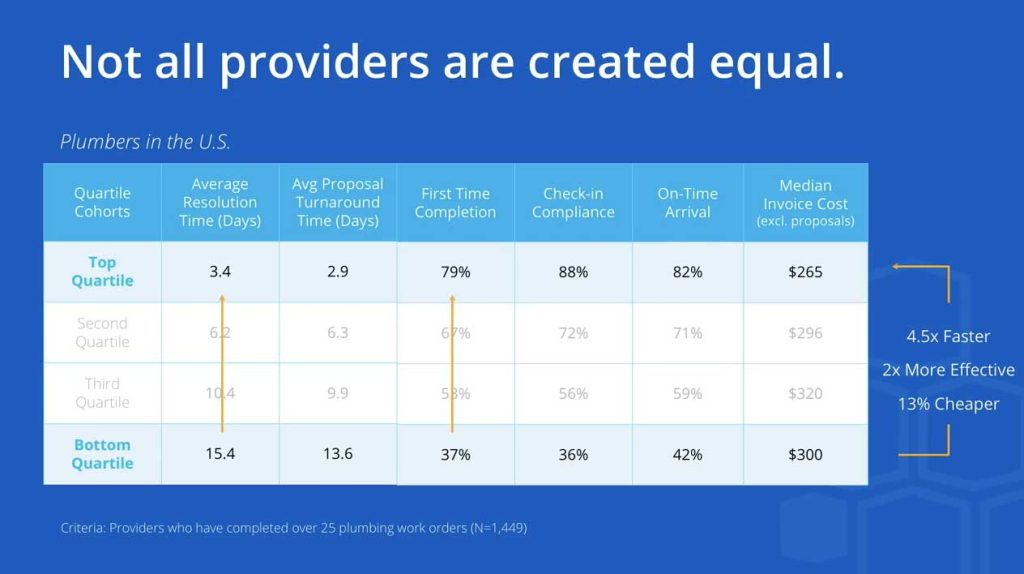
Smart Sensors and IoT
IoT devices collect real-time data, enabling dynamic adjustments and predictive maintenance. Up-to-the-second information on the heating and cooling load helps facility managers and maintenance teams make informed decisions and address issues quickly, resulting in an optimized system.
Cloud-based HVAC Management Platforms
Leverage cloud-based platforms that enable centralized monitoring, control, and analytics. Cloud solutions allow for remote management and HVAC energy efficiency across multiple locations.
Preventive Maintenance Software
A powerful software solution will streamline HVAC preventive maintenance tasks. Advanced analytics and monitoring ensure that maintenance teams put more energy toward higher-priority tasks.
Energy Management Software
A robust energy management software solution can track energy usage in real-time and identify inefficiencies. Such software can employ holistic system control and automation strategies to optimize HVAC performance and other power systems.
Crafting a Smarter HVAC Experience with ServiceChannel
Optimizing and routine HVAC equipment maintenance are critical processes for ensuring a smooth-running, efficient system. A robust facility management software solution like ServiceChannel is the ideal tool for tracking systems, analyzing energy usage data, and prioritizing essential HVAC maintenance tasks. Explore ServiceChannel’s software today and learn all the benefits this platform can offer your organization.